
I looked everywhere online to find infographics about restaurants, dining, and cuisine trends. They are hard to find and it took me too long until I thought of the Food and Drug Administration (FDA). Once I got past the propaganda, I found some useful facts.
The FDA does provide infographics, the topics are consistent with food safety and nutrition. This information is important for Americans, but it still wasn’t what I was looking for.
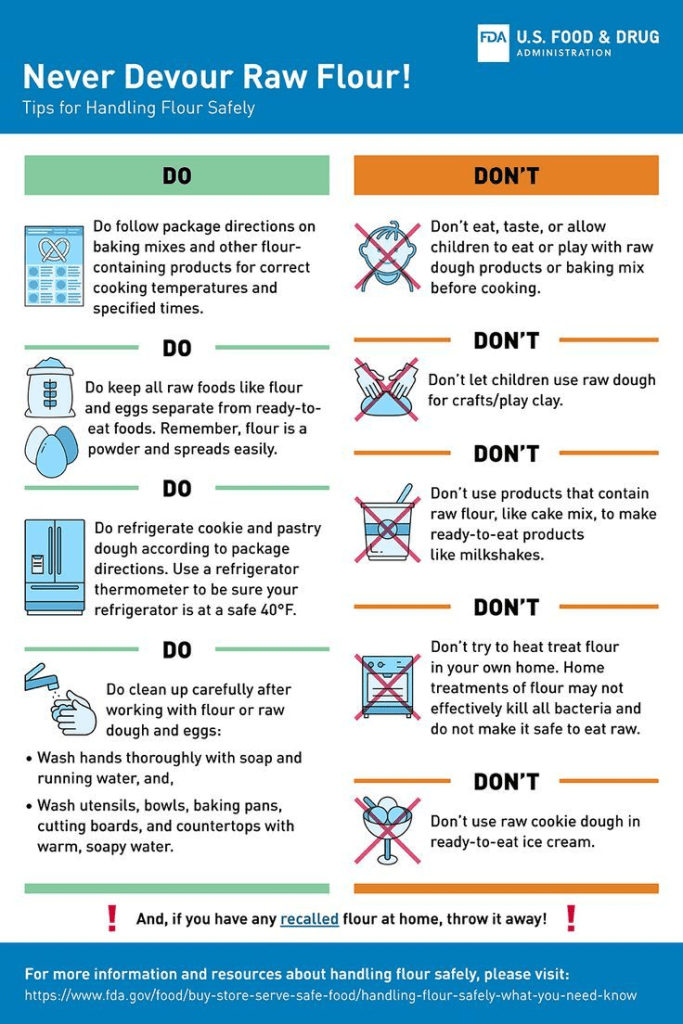
Infographics help visualize data. They provide information through charts, graphs, bullet points, etc… In public relations, infographics help by drawing attention to key issues. PR is about communicating strategically, and infographics are a creative source of knowledge.
Infographics have increased in popularity due to social media. A quick eye scan can change someones mind. That is your audience, so it’s crucial to make your data clear and stand out.

The United States Department of Agriculture (USDA) website was my next visit. I wanted to find infographics about sustainability and food waste, but something caught my eye first. I saw infographics on the Women, Infants and Children (WIC) website.
WIC is an important program for many Americans, it offers extra support to women with children/infants to get healthy food. In 2023, it was estimated that 24,930,121 people were eligible for WIC. WIC provides infographics on multiple topics. Pictured below, is an infographic found on the WIC website. It has big numbers, visuals, and lots of data.

The image is blurry, which I apologize for, but you can see the clear number. $233,610 is right there. Something engaging on the WIC website is full reports of the data with the infographic. Written like a blog, it explains the data points more thoroughly.
This broadens audiences in a good way. It assists those looking for short information, but also can be in use for further knowledge seekers. The infographics on the WIC website have useful and helpful guidance. It is a fast and free way to learn about food and health.
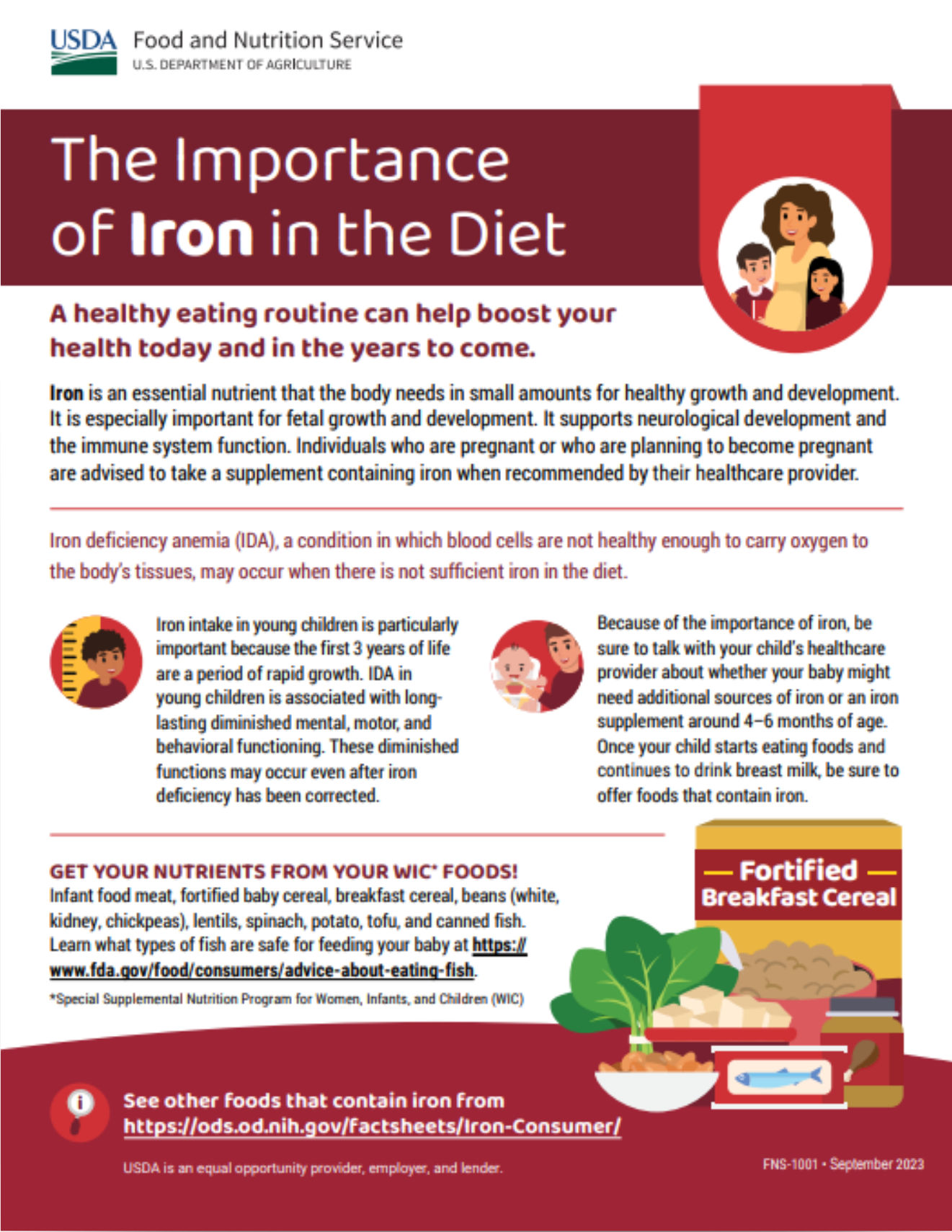
“The Importance of Iron in the Diet” infographic communicates the why, what, how, and even where (through “get your nutrients”). There is strategy here is giving out important information, quickly. There are five other nutritional infographics like the one above on the WIC/USDA website.
The call to action in this infographic is promoting WIC foods. It is a smart way to campaign your information, whilst providing the facts. I find it very clever.
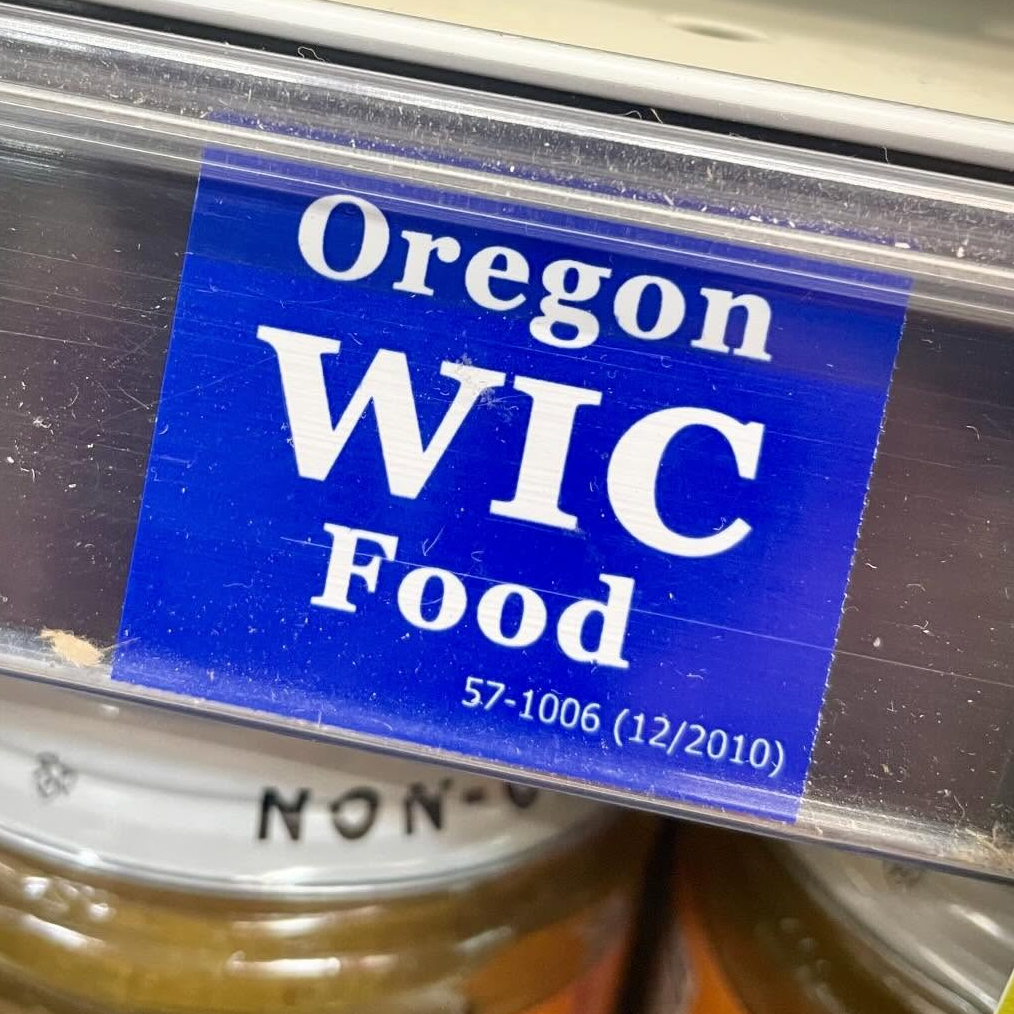
I was first introduced to WIC when I worked a grocery store in high school. I was surprised to be learning about it for the first time in training. I started to notice the little WIC tag everywhere after. Food security is so important to me, nobody deserves hunger.
I have provided more resources below to WIC for more information and extra support.
 food rage
Leave a comment